

Cost Reduction Without Redundancies: A People-First Approach
Sustainable cost reduction comes from removing waste in the process, not people from the payroll. Learn how to cut costs while protecting expertise and building capability.
Sustainable cost reduction comes from removing waste in the process, not people from the payroll. Learn how to cut costs while protecting expertise and building capability.
When organisations face cost pressure, the default response is often headcount reduction. It is fast, the savings are easy to calculate, and it looks decisive. But in practice, redundancy-led cost cutting frequently destroys more value than it saves. Institutional knowledge walks out of the door. Remaining teams are stretched thin. Morale collapses. And within twelve to eighteen months, the organisation is hiring again — often at a higher cost — to replace the capability it lost.
There is a better way. A people-first approach to cost reduction focuses on removing waste from the process rather than people from the payroll. It protects the expertise your organisation depends on, redeploys talent into higher-value work, and delivers savings that are sustainable because they come from systemic improvement rather than one-off cuts.
## Why headcount cuts fail as a cost strategy
The maths of headcount reduction looks compelling in a spreadsheet. Remove a role with a fully loaded cost of £50,000, and the annual saving appears immediately. But spreadsheets do not capture the hidden costs: the knowledge that person held, the relationships they maintained with customers or suppliers, the capacity they provided during peak periods, the mentoring they gave to junior team members.
Research consistently shows that organisations which rely primarily on headcount reduction for cost savings experience higher subsequent costs, lower productivity, and worse employee engagement. A study by Bain and Company found that fewer than 10% of cost-reduction programmes deliver sustained savings after three years. The primary reason? They cut the people but leave the waste intact.
When the people are gone but the broken processes remain, the remaining team works harder to cover the gaps. Over time, they burn out, make more errors, and eventually leave. The organisation then faces the double cost of rehiring and the lost productivity during the transition.
## The people-first alternative: remove waste, not people
A people-first approach to cost reduction starts from a different premise: most of the cost in any operation is consumed by waste, not by productive work. If you can identify and remove the waste, you free up capacity without losing people. That freed capacity can then be redeployed to higher-value activities — work that currently is not getting done because everyone is too busy firefighting.
The eight wastes of Lean provide a practical framework for this: overproduction, waiting, transport, overprocessing, inventory, motion, defects, and underutilised talent. In our experience working across UK organisations, we consistently find that 30 to 60 per cent of operational activity is waste — work that adds no value for the customer and exists only because the process demands it.
This creates an enormous opportunity. If you can recover even half of that waste, you have freed significant capacity without changing headcount. That capacity becomes available for improvement, growth, or absorbing demand increases without additional hiring.
## How it works in practice
Step 1: Map the value stream. Walk the process end to end with the people who do the work. Identify every step, every handoff, every wait. Separate value-adding activity from waste. Quantify the waste in time and cost. This gives you a factual baseline for improvement, not estimates or assumptions.
Step 2: Identify the biggest constraints. Not all waste is equal. Focus on the constraints that are creating the most disruption, cost, or quality impact. Use Pareto analysis to prioritise. Typically, 20 per cent of the issues drive 80 per cent of the waste.
Step 3: Remove waste through process improvement. Use practical Lean tools — standard work, visual management, mistake-proofing, flow redesign — to eliminate the waste you have identified. Involve the people doing the work in designing the improvements. They know their process better than anyone, and involving them builds ownership and commitment.
Step 4: Redeploy freed capacity. As waste is removed and capacity is freed, redeploy people into work that adds value: improvement activity, customer-facing work, quality checks that were being skipped, cross-training, or growth initiatives that were stalled due to lack of resource.
Step 5: Build sustainability. Implement daily management routines, visual performance boards, and leadership coaching to ensure the improvements hold. Without daily discipline, waste creeps back and the gains erode.
## The role of leadership in people-first cost reduction
This approach requires leaders who are willing to take a longer view. Headcount cuts are fast but fragile. Process improvement is slower but sustainable. Leaders need to communicate clearly that the goal is to reduce waste, not reduce people. This builds the trust required for teams to participate honestly in identifying where waste exists — something they will never do if they fear the outcome is their own redundancy.
Leaders also need to be visible in the improvement work. Walking the Gemba, asking questions, following through on actions, and recognising team contributions all reinforce the message that this is a genuine commitment to better ways of working, not a disguised cost-cutting exercise.
## Real results from people-first cost reduction
In our experience supporting UK organisations, people-first cost reduction consistently delivers savings of 15 to 30 per cent of operational cost within the first 12 months - without a single redundancy. More importantly, those savings are sustained because they come from process improvement rather than resource depletion.
Teams that go through this process become more capable, more engaged, and more confident in their ability to solve problems. The organisation gains a sustainable competitive advantage: an improvement capability that compounds over time.
If you are facing cost pressure and want to explore an alternative to headcount reduction, we are here to help. Book a discovery call to discuss how a people-first approach could work in your organisation.

About the author
Audrey Nyamande
Founder, Tacklers Consulting Group
Audrey is a Lean Six Sigma certified aerospace engineer and transformation coach. She has led improvement programmes in high-stakes engineering, manufacturing, and MRO environments across the UK, helping organisations reduce waste, protect expertise, and build capability that lasts.
View speaker profile: Global Lean Summit 2026Learn more about our teamNext steps
Turn insight into practical operational gains
If this topic matches your current priorities, explore our service pathways or book a focused discovery call.
Further reading
Explore our insights
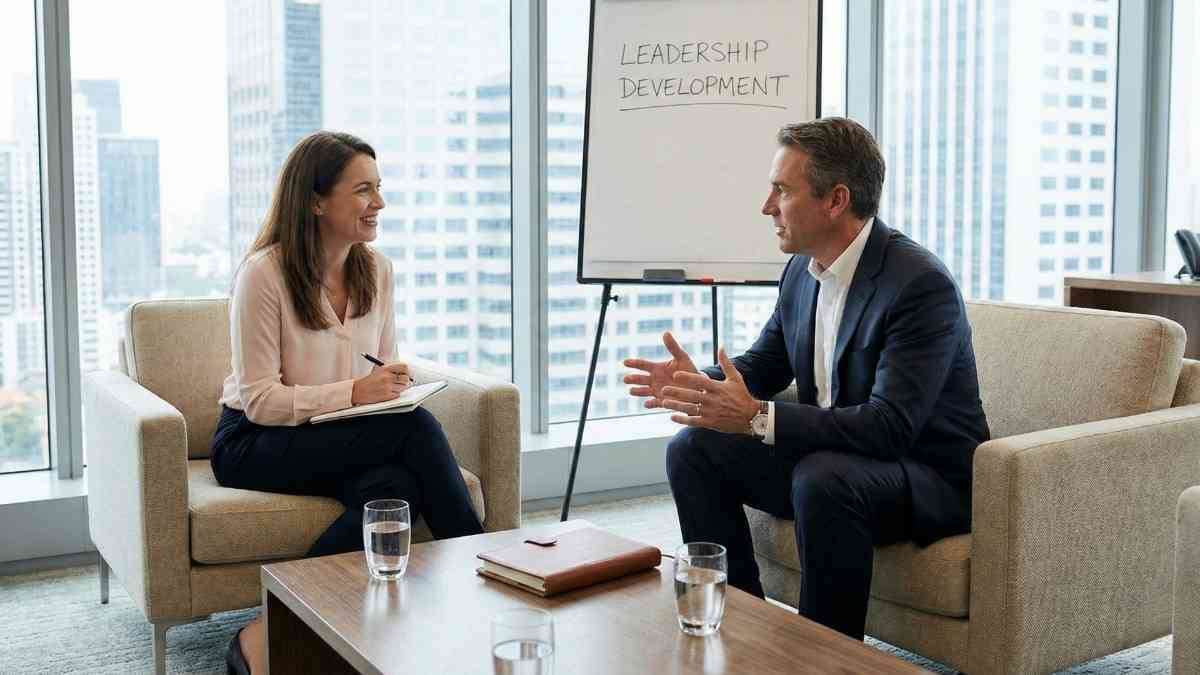
Leadership
Lean Leadership Principles for Operational Managers
Lean leadership is not about tools — it is about how leaders behave, coach, and create the conditions for teams to improve. Learn the core principles every operational manager needs.

Operational Excellence
Operational Excellence Framework: How to Build One That Holds
An operational excellence framework provides the structure for sustained performance improvement. Learn how to design one that aligns strategy, processes, people, and management routines.
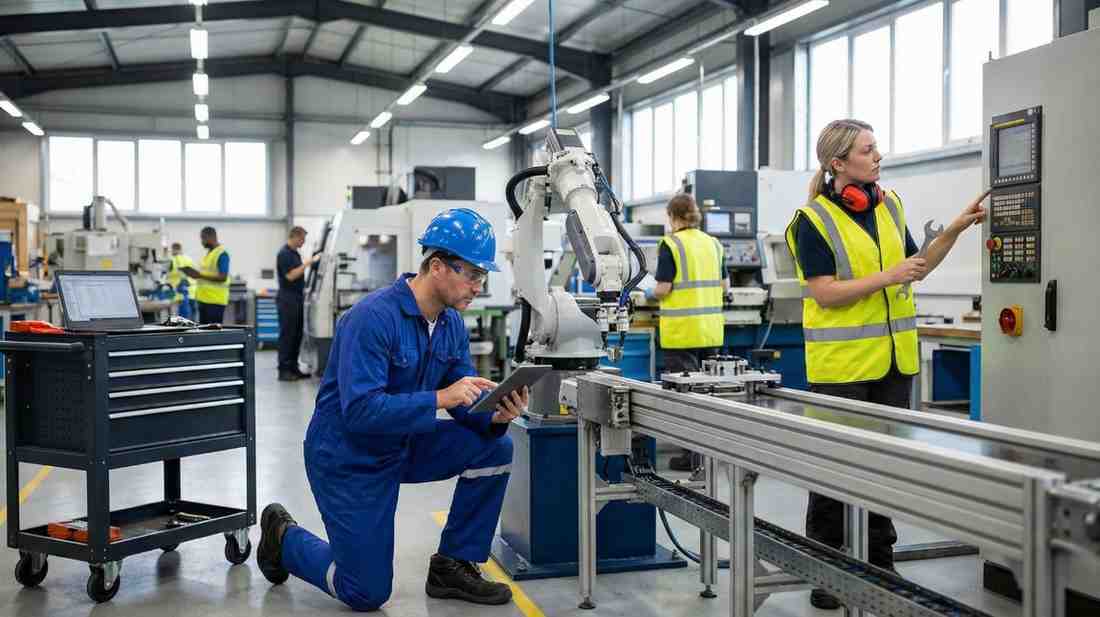
Lean Tools
How to Reduce Rework in Production: A Practical Approach
Rework is one of the most expensive forms of waste in production environments. Learn a structured approach to identifying root causes and building quality in at source.
Industry Insights
Lean Manufacturing in the UK: A Practical Guide
UK manufacturing faces persistent productivity challenges. Learn how Lean principles drive measurable improvement in production flow, quality, and delivery reliability.