How to Sustain Lean Improvements After the Consultants Leave
The biggest test of any improvement programme is what happens when external support ends. Learn how to build the management routines and capability that make Lean stick.
The biggest test of any improvement programme is what happens when external support ends. Learn how to build the management routines and capability that make Lean stick.
The most expensive Lean improvement is the one that does not last. Organisations invest significant time, money, and effort in transformation programmes, see genuine results during the active phase — then watch those results erode once the external consultants leave, the project team is reassigned, or leadership attention moves elsewhere.
This is not a rare problem. It is the norm. Most studies of Lean sustainability suggest that between 50 and 70 per cent of improvements fail to sustain beyond two years. The pattern is consistent across sectors: initial gains, followed by gradual regression, followed by a new programme that addresses the same problems the previous one supposedly fixed.
The solution is not better tools or more intense improvement events. The solution is building the management system, leadership behaviours, and organisational capability that sustain improvement as part of how work is managed every day.
## Why improvements fail to sustain
The improvement was consultant-dependent. If the external consultant drove the analysis, designed the solution, and led the implementation, the organisation has not built internal capability. When the consultant leaves, the knowledge leaves with them.
Daily management routines were not established. Improvements erode when there is no routine for detecting and correcting deviations from the new standard. Without daily management — visual boards, tiered meetings, leader standard work — there is no early warning system for performance drift.
Leaders reverted to old behaviours. Leadership behaviour is the single biggest determinant of sustainability. If leaders stop walking the Gemba, stop coaching, stop following through on improvement actions, teams read the signal and revert to old habits.
The new standard was not documented. If the improved method is not captured in updated standard work, there is no anchor point to sustain it. People forget. Shift patterns change. New staff arrive. Without a documented standard, the original method gradually reasserts itself.
## Building sustainability from the start
Sustainability should not be an afterthought — something you worry about in the final phase of an improvement programme. It should be designed into every improvement from day one.
Involve the people who do the work. Improvements designed with the team are sustained by the team. If frontline people understand why the change was made, helped design it, and believe it makes their work better, they will maintain it. If the change was imposed, they will find ways around it.
Document the new standard. After every improvement, update the standard work, procedures, or visual aids that people refer to daily. Make the new method the documented method. This is the baseline for future improvement.
Establish daily management routines. For every improvement area, establish a daily management routine: a short meeting with the team, reviewing performance against the standard, identifying any deviations, and agreeing on immediate corrective actions. This routine is the immune system of the improvement — it detects problems early and corrects them before they compound.
Coach leaders to sustain. The most critical sustainability intervention is coaching leaders. Help them understand that their role is not to improve things themselves but to create the conditions for their teams to sustain and extend improvements. This means Gemba presence, coaching conversations, consistent follow-through, and visible recognition of improvement effort.
Build internal improvement capability. Transfer the skills that external consultants bring — problem solving, value stream mapping, facilitation, coaching — to internal people. Create a cadre of improvement practitioners who can support new teams, run improvement events, and coach leaders. The goal is to make external support unnecessary.
## The sustainability checklist
Before declaring any improvement complete, verify: the new standard is documented and accessible. A daily management routine is in place and functioning. The responsible leader has been coached and is practising the required behaviours. Performance metrics are visible and reviewed daily. There is a clear escalation path for problems that cannot be resolved at team level. Internal capability exists to support the next round of improvement.
If all six elements are in place, the improvement has a strong chance of sustaining. If any are missing, address them before moving on. An improvement that does not sustain is not an improvement — it is a temporary intervention.
We design sustainability into every engagement from day one. Our goal is to make ourselves unnecessary by building the internal capability, leadership routines, and management systems that keep improvement alive. Book a discovery call to discuss how we can help your organisation sustain the improvements that matter most.

About the author
Audrey Nyamande
Founder, Tacklers Consulting Group
Audrey is a Lean Six Sigma certified aerospace engineer and transformation coach. She has led improvement programmes in high-stakes engineering, manufacturing, and MRO environments across the UK, helping organisations reduce waste, protect expertise, and build capability that lasts.
View speaker profile: Global Lean Summit 2026Learn more about our teamNext steps
Turn insight into practical operational gains
If this topic matches your current priorities, explore our service pathways or book a focused discovery call.
Further reading
Explore our insights
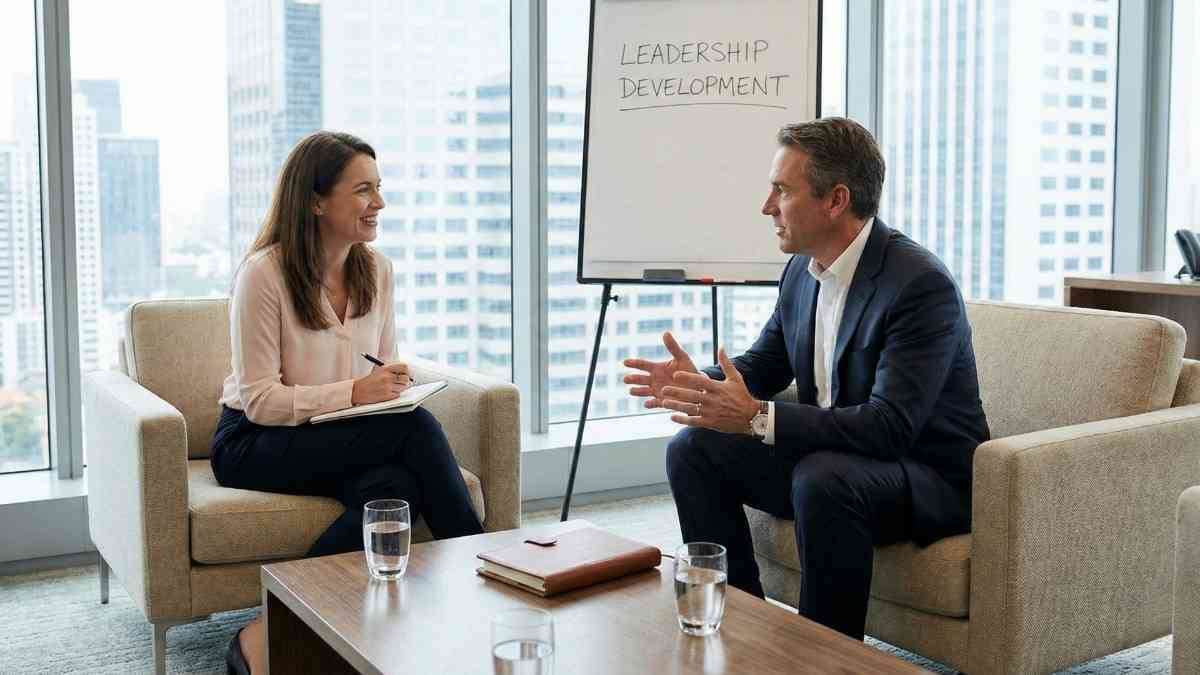
Leadership
Lean Leadership Principles for Operational Managers
Lean leadership is not about tools — it is about how leaders behave, coach, and create the conditions for teams to improve. Learn the core principles every operational manager needs.

Operational Excellence
Operational Excellence Framework: How to Build One That Holds
An operational excellence framework provides the structure for sustained performance improvement. Learn how to design one that aligns strategy, processes, people, and management routines.
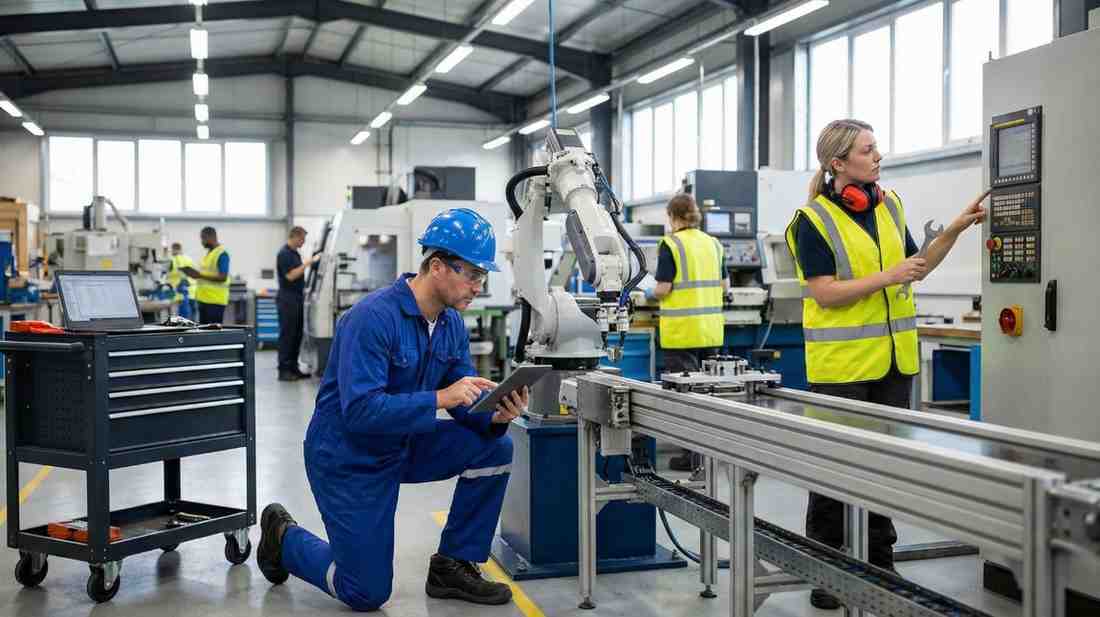
Lean Tools
How to Reduce Rework in Production: A Practical Approach
Rework is one of the most expensive forms of waste in production environments. Learn a structured approach to identifying root causes and building quality in at source.
Industry Insights
Lean Manufacturing in the UK: A Practical Guide
UK manufacturing faces persistent productivity challenges. Learn how Lean principles drive measurable improvement in production flow, quality, and delivery reliability.